Open-water route · Lombok to Flores
The Lombok to Komodo crossing, explained
Four days east through the Lesser Sunda islands to Labuan Bajo. More sea time than a park cruise, fewer stops, and a different reason for going — this is the passage, not the destination.
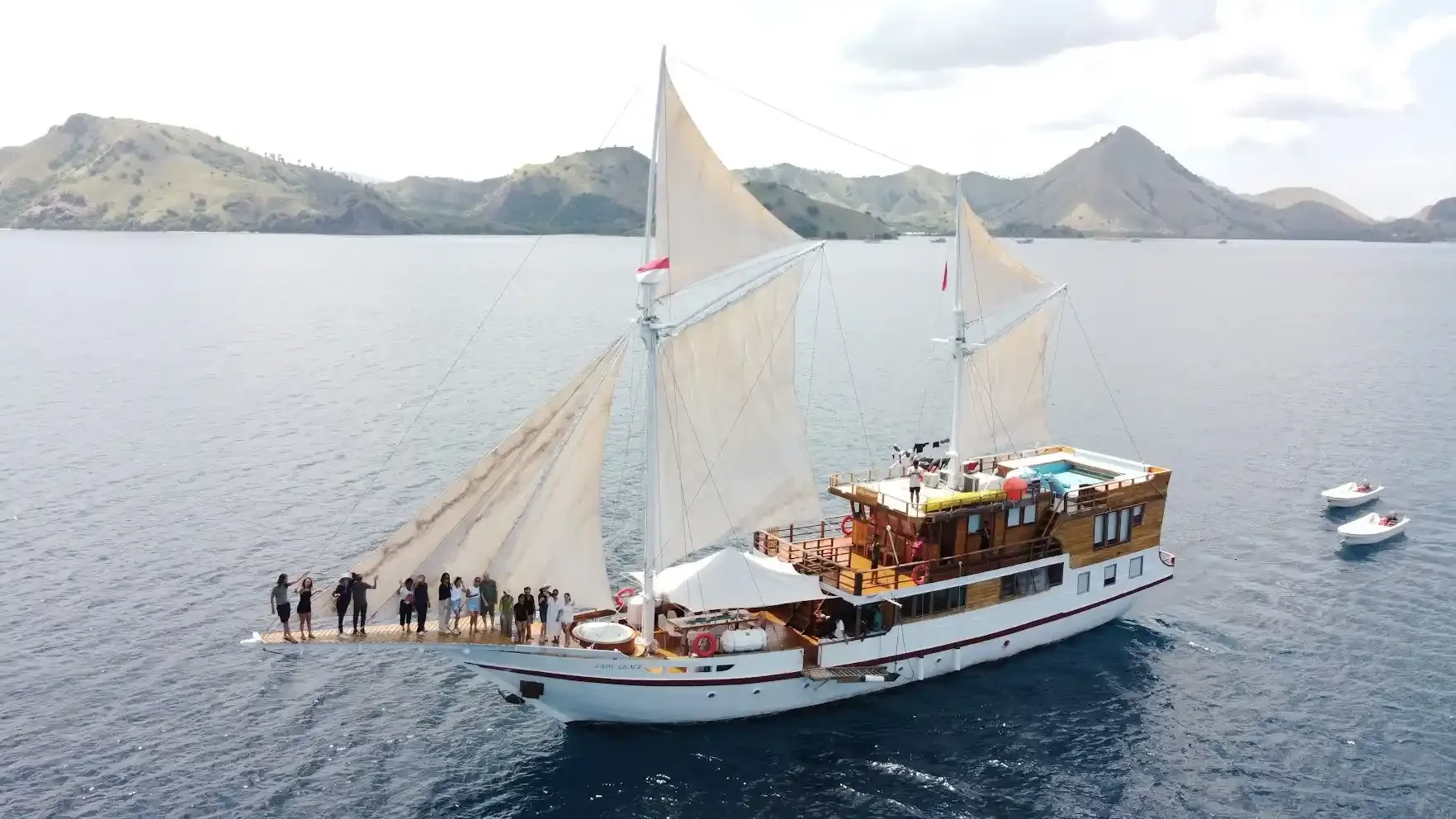
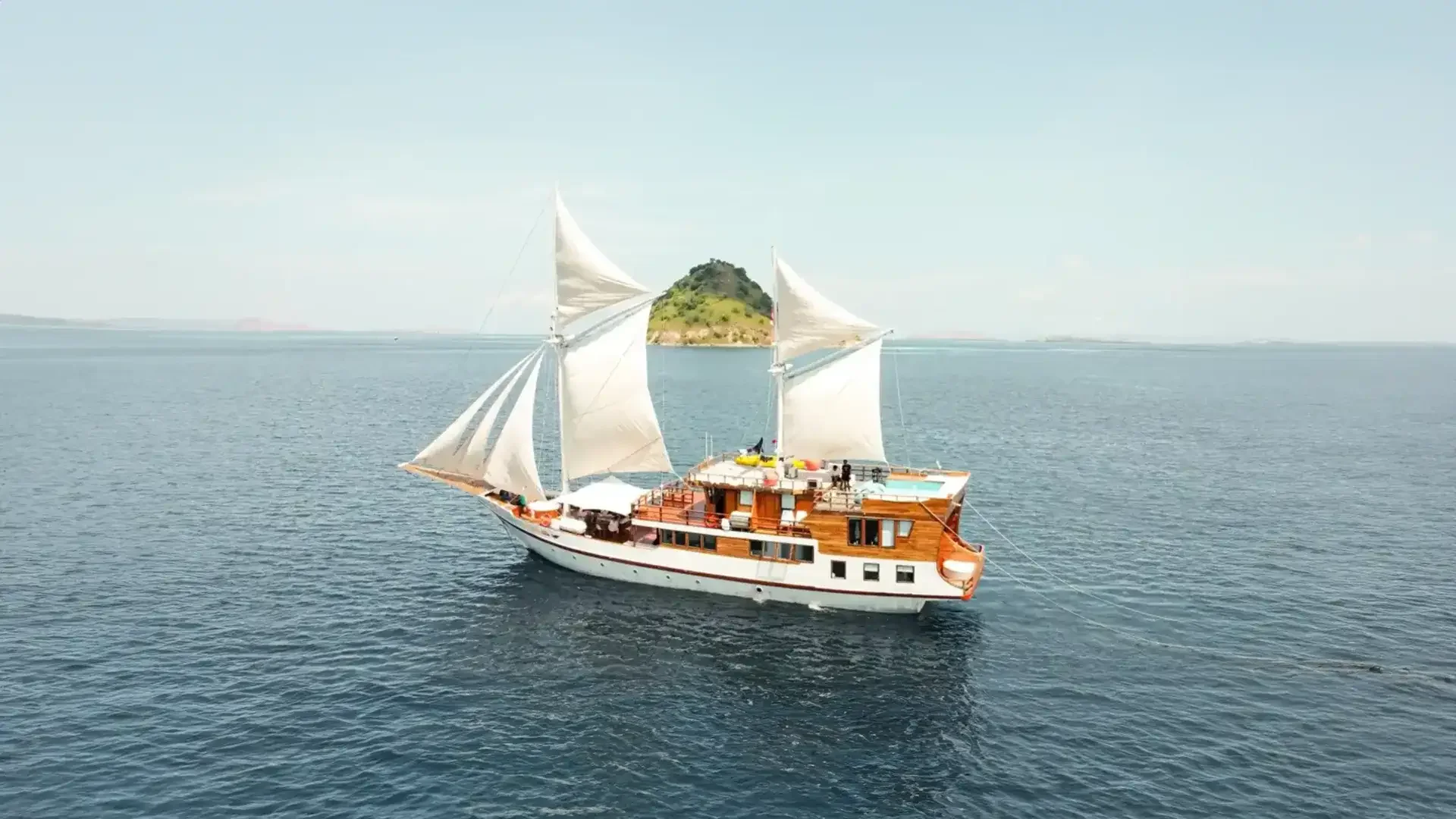
The Lombok to Komodo crossing is a point-to-point sailing route, not a park cruise. Boats leave from the Lombok side and work east through Sumbawa waters – typically Kenawa, Moyo, Satonda and Gili Laba – before entering Komodo National Park and finishing at Labuan Bajo, usually over 4 days 3 nights or 4 days 4 nights. It is an established route in Indonesian sailing but runs far less often than round-trip Labuan Bajo itineraries. Lady Grace’s published programme is Labuan Bajo round trips; if you want a crossing, ask the desk what is actually sailing in your window before you plan around it.
Read this first. This page is a route guide, not a departure listing. Lady Grace’s published itineraries – 2D1N, 3D2N and 4D3N – are round trips from Labuan Bajo. Do not book flights into Lombok on the assumption that a crossing is running. Enquire, get a written confirmation of vessel and dates, then book flights.
What the crossing is, and how it differs from a park cruise
A Labuan Bajo round trip is dense: nine or ten sites in three days, with the boat rarely more than a couple of hours from the next anchorage. A Lombok crossing is the opposite shape. You are covering real distance west to east across the Nusa Tenggara chain, and the itinerary alternates long passages with a handful of standout stops.
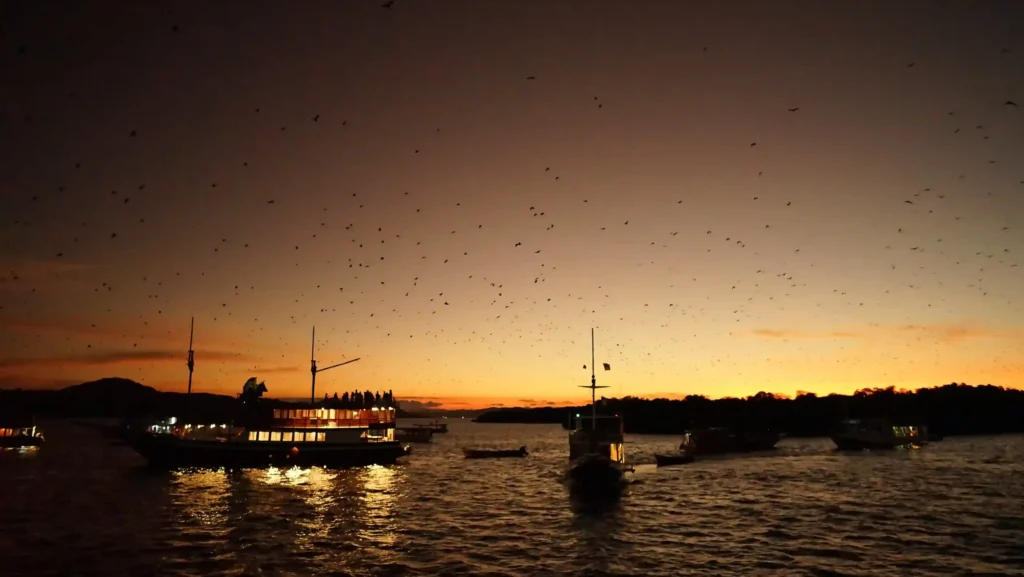
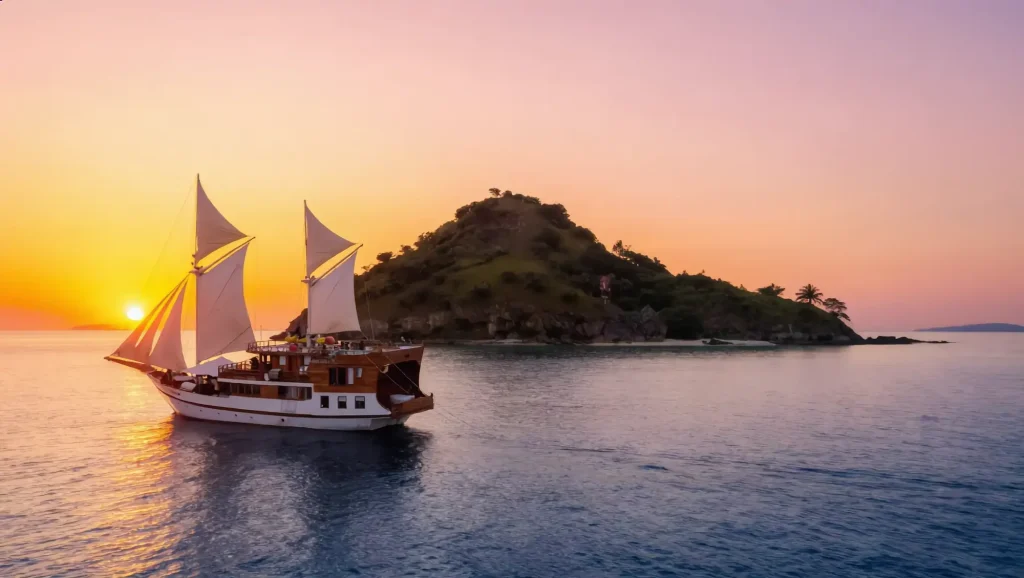
That difference decides who enjoys it. If your priority is to tick Padar, Pink Beach, the dragons and Manta Point efficiently, the crossing is the wrong product – the standard 3D2N round trip does that better and cheaper. If the passage itself is the appeal – open water, sunsets from the deck, islands most Komodo visitors never see – then the crossing is a genuinely different kind of trip.
The waypoints commonly sailed
| Stop | Where | What it is |
|---|---|---|
| Kenawa | Off west Sumbawa | A small uninhabited island with a short hill walk and open views |
| Moyo | North Sumbawa | A larger island known for a waterfall and forest interior |
| Satonda | North Sumbawa coast | A volcanic island with a saline crater lake inside the rim |
| Gili Laba | Northern Komodo National Park | A ridge climb over strong tidal channels – the visual signature of the route |
| Komodo National Park | Flores side | Park sites are picked up on the final leg into Labuan Bajo |
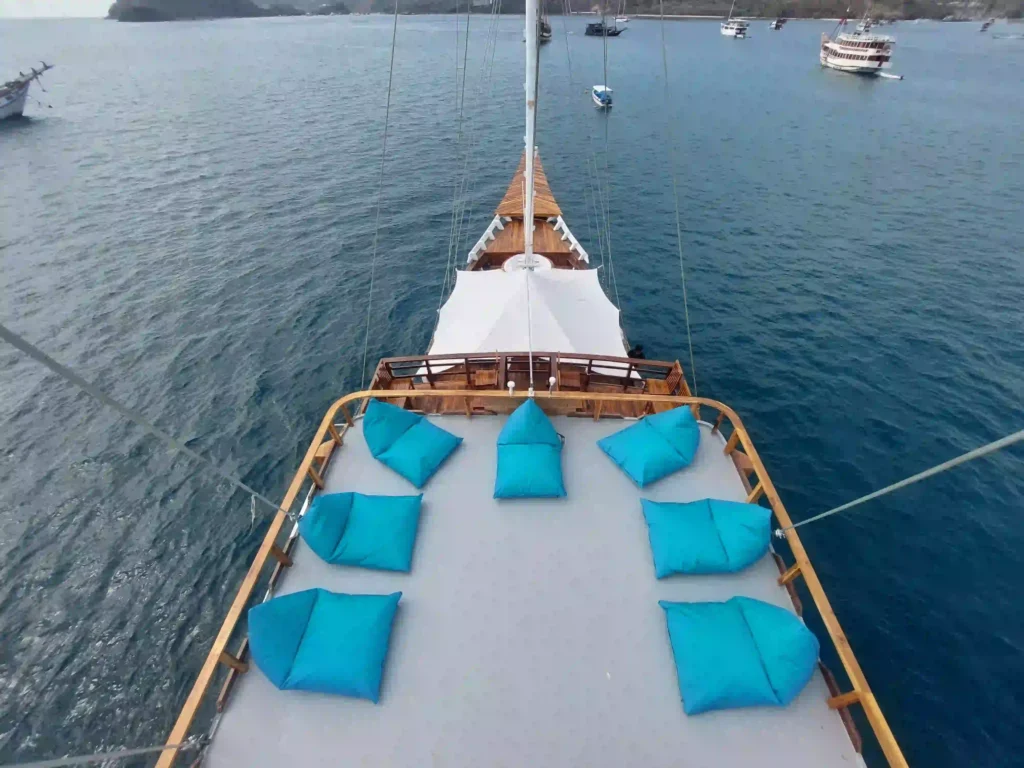
Sea days versus island days
At the 6-9 knot average of a traditional phinisi, the distance between Lombok and Labuan Bajo is several long passages. Expect a shape roughly like this over four days: two days weighted towards moving, two weighted towards stopping. Passages are usually scheduled overnight where possible, but not all of them can be.
Practical consequences worth knowing before you book:
- You will spend more consecutive hours under way than on a park itinerary. If anyone in the group is prone to seasickness, this is the route where it shows up.
- Open-water crossings are more weather-sensitive than sheltered park hops, so departure timing can move.
- One-way routes mean one-way flights: into Lombok, out of Labuan Bajo, or the reverse.
Park fees on this route
A crossing that enters Komodo National Park still incurs park charges, and documented 2026 figures put a Lombok-Labuan Bajo four-day route at around IDR 700,000 per foreign guest – higher than a short park-only trip because of the number of chargeable days and landings.
| Item | Documented 2026 amount | Note |
|---|---|---|
| Daily park entrance, foreign visitor | IDR 150,000-250,000 per day | Most liveaboard operators budget the upper figure |
| Harbour fee | IDR 25,000 per day | Charged per person |
| Ranger trek, Komodo or Rinca | IDR 200,000 per group of up to 5 | Split across the group |
| Ranger trek, Padar | IDR 150,000 per group of up to 5 | Split across the group |
| Bundled ticket, Komodo + Padar | IDR 650,000 per person | Common package price |
| Bundled ticket including Rinca | IDR 900,000 per person | Three-island version |
| Diver surcharge | IDR 25,000 per day | Applies to certified diving activity |
Park charges are government-regulated and change without notice. Treat every figure above as a documented range from 31 July 2026, and get the current total from your operator in writing.
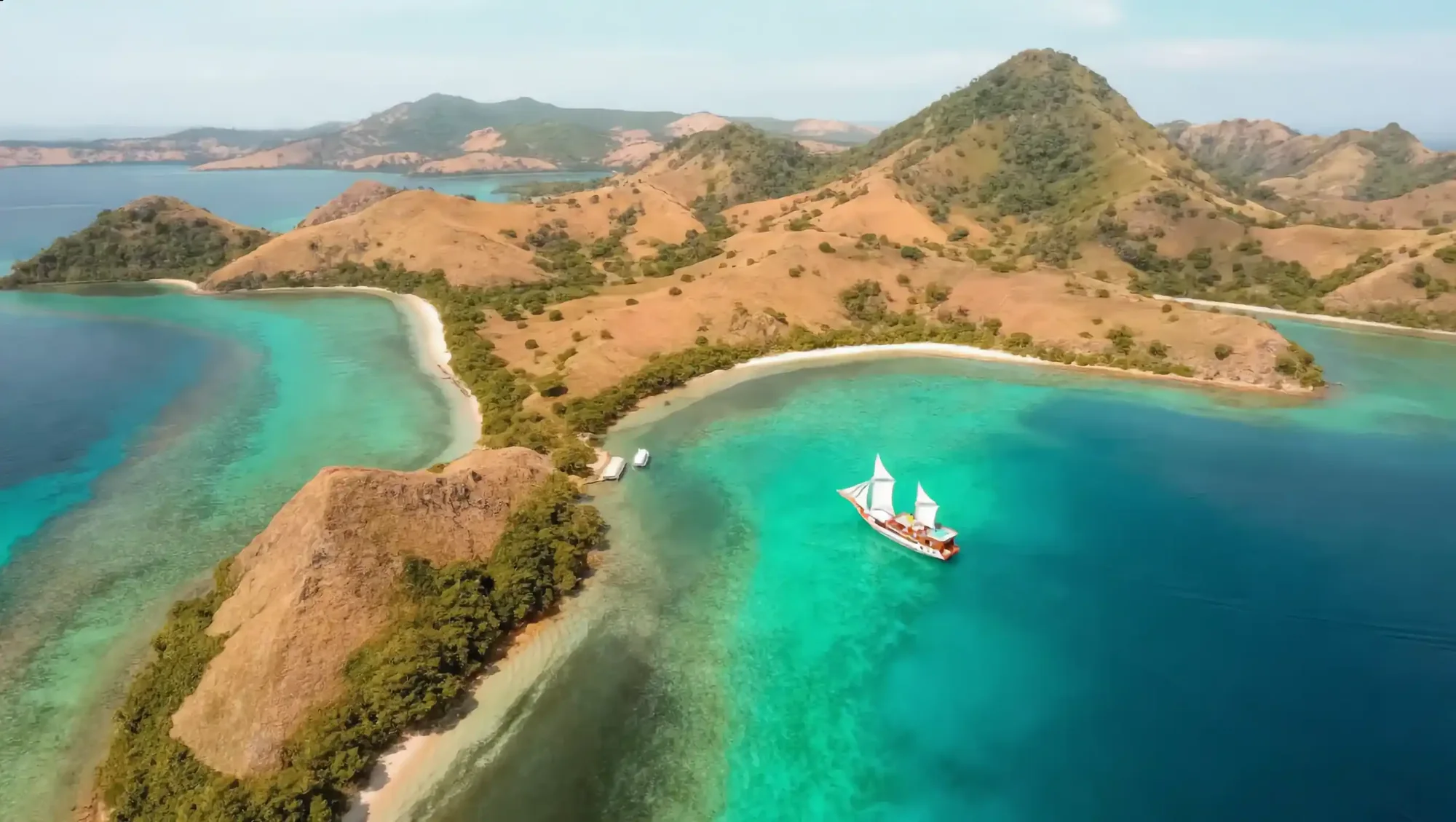
Best months to sail the crossing
Open-water routes are more exposed to season than park hops. The dry season runs April to November, and June to September is the most settled stretch. December to March is the wet season with January and February bringing the heaviest rain – the window in which crossings are least comfortable and most likely to be rescheduled.
| Month | Sea and weather | Typical visibility | What it means on the water |
|---|---|---|---|
| January | Wet, heaviest rain | 10-15 m | Peak manta season at Karang Makassar |
| February | Wet, heaviest rain | 10-15 m | Peak manta season, routes adjusted for swell |
| March | Wet, easing | 10-15 m | End of the peak manta window |
| April | Start of the dry season | 20-30 m | Seas settling, fewer boats |
| May | Dry | 20-30 m | Strong manta sightings with better visibility |
| June | Dry, most settled | 20-30 m+ | Prime conditions, calendars fill early |
| July | Dry, most settled | 20-30 m+ | Peak demand; south Komodo water cools to 24-26 C |
| August | Dry, most settled | 20-30 m+ | Peak demand; upwelling continues in the south |
| September | Dry, most settled | 20-30 m+ | Prime conditions, demand easing late in the month |
| October | Dry | 20-30 m | Warm, calm, good value |
| November | End of the dry season | 20-30 m | Transitional, still widely sailed |
| December | Wet begins | 10-15 m | Manta numbers rising, holiday demand high |
If a crossing is not running
The practical alternative is to fly into Labuan Bajo and sail the park properly. The four-day round trip covers Rangko Cave and Seraya alongside the classic sites – see the 4D3N itinerary and price page. Day-by-day island detail is on the island hopping and snorkelling page, and the full range of Lady Grace options is on the luxury Komodo cruise overview. For crossings and multi-day routings on other hulls, ask about the fleet’s Komodo National Park programmes.
If a crossing is not running
The itineraries that always are
Round trips from Labuan Bajo into Komodo National Park, published with fixed rates and a working timetable.


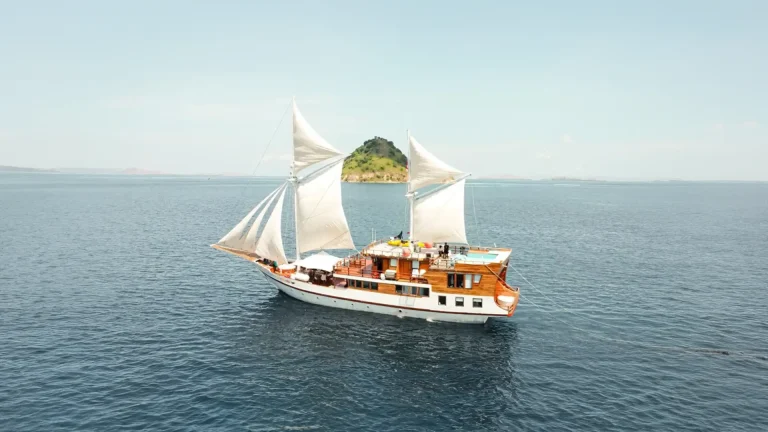
Photographed
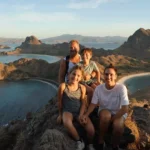
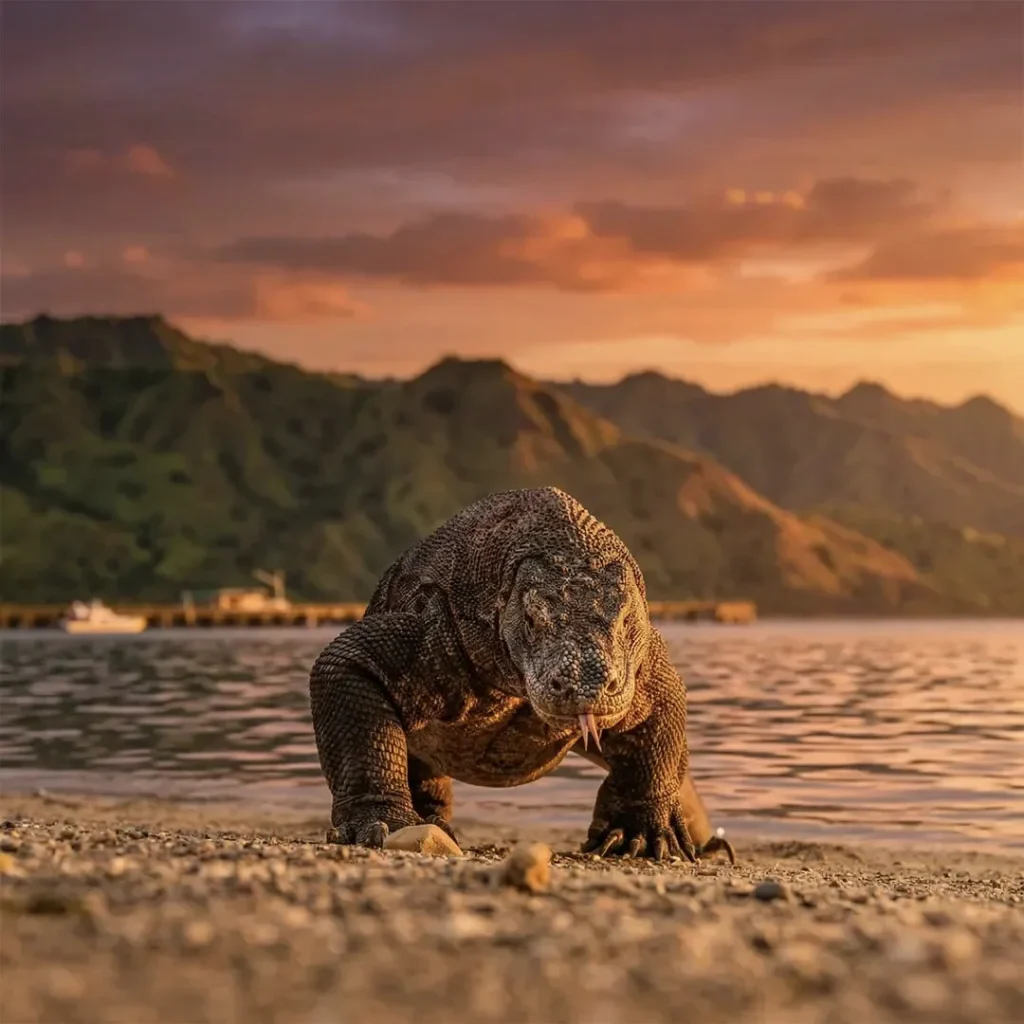
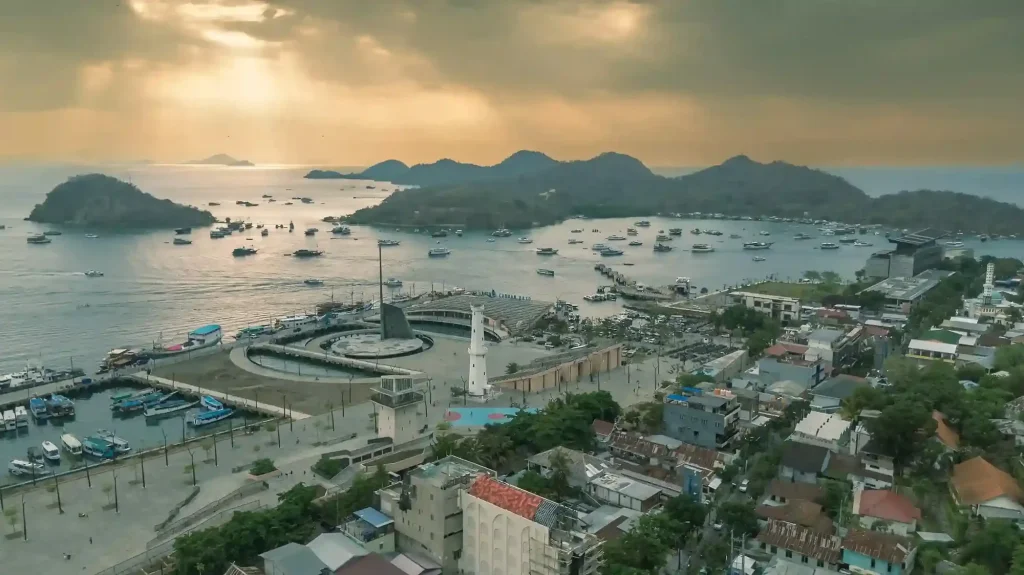
Sea days, and what waits at the end of them
Three days of open water, then the archipelago the crossing exists to reach.
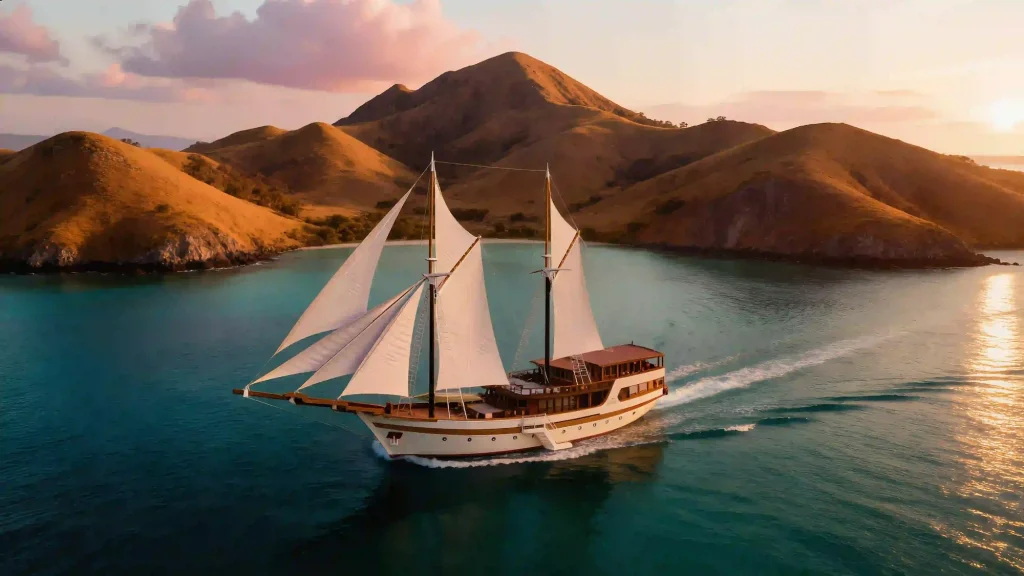
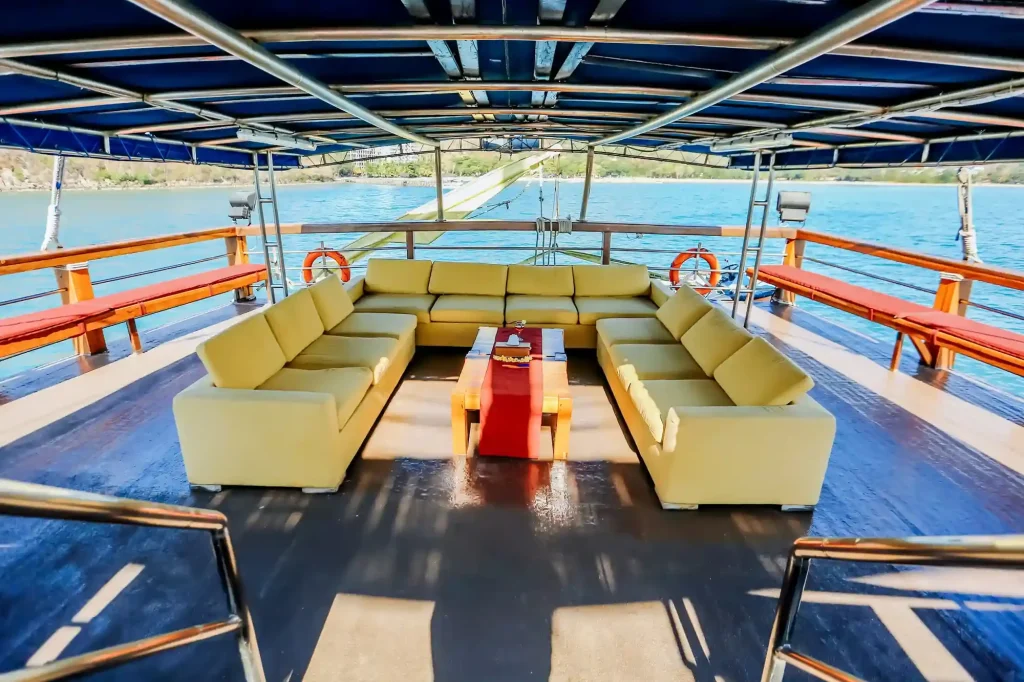

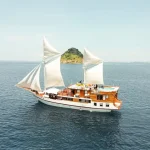
The vessel
What crosses with you
- Length overall
- 34 m
- Beam
- 6.3 m
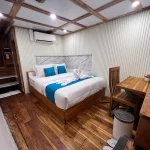
- Guest cabins
- 10 All en-suite, air-conditioned
- Guest capacity
- 22–24
- Hull & deck
- Ironwood, teak
- Main engine
- Mitsubishi 8M21
- Generators
- PS120 × 2
- Cruising speed
- 6–9 kn
- Fuel
- 5 t
- Freshwater
- 12 t
- Navigation
- AIS · GPS · Radar SART
- Emergency
- EPIRB
Answers
Frequently asked questions
Does Lady Grace sail from Lombok to Komodo?
Lady Grace’s published itineraries are 2D1N, 3D2N and 4D3N round trips from Labuan Bajo. A Lombok crossing is not a listed departure. Ask the booking desk what is operating in your window and get vessel and dates confirmed in writing before booking flights.
How long does the Lombok to Komodo crossing take?
Typically 4 days 3 nights or 4 days 4 nights, depending on operator and how many Sumbawa stops are included.
What islands do you stop at?
Commonly Kenawa, Moyo, Satonda and Gili Laba, before picking up Komodo National Park sites on the final leg into Labuan Bajo. Exact stops vary with operator and sea state.
Is it a lot of time at sea?
More than a park itinerary. The route covers real distance, so expect longer consecutive passages, some of them scheduled overnight. If seasickness is a concern for anyone in the group, this is the route where it matters.
How much are the park fees on this route?
Documented 2026 figures put a Lombok-Labuan Bajo four-day route at around IDR 700,000 per foreign guest. Park charges are government-set and change without notice, so confirm the current total at booking.
When is the best time to sail it?
April to November is the dry season and June to September is the most settled. January and February bring the heaviest rain and the least comfortable open-water conditions.
Can I sail the route in reverse, Labuan Bajo to Lombok?
The route is sailed in both directions in the market. Since it is one-way either way, plan your flights around the confirmed direction rather than the other way round.
Ask about a crossing
Tell the desk your direction, dates and guest count. If Lady Grace is not positioned for it, the operator will say so and point you at the boat that is.
Lady Grace is operated by Komodo Luxury, Labuan Bajo. Quotes, availability and payment terms are issued by the operator in writing.